

Discovery
The Discovery Pilot Grant supports translational research projects. Apply now through October 9, 2026.
SCTR’s pilot grant program facilitates and supports new and innovative research. The program emphasizes multidisciplinary, high-impact clinical and translational science. This work addresses medical and behavioral topics that are critical to improving health outcomes and quality of life in South Carolina.
Our pilot mechanisms support innovation and foster the development of new research collaborations. To support the development of new science, SCTR also hosts annual scientific retreats focused on research areas important to South Carolina and facilitates an external grant review program to support the development of responsive extramural applications.
Learn more about SCTR's pilot funding mechanisms now accepting applications.
The Discovery Pilot Grant supports translational research projects. Apply now through October 9, 2026.
Supporting innovative interdisciplinary pilot projects, and accepting applications on a rolling basis.
Advancing translational science through SCTR's Translational Science Challenge Grant. Concept proposals due October 9, 2026.



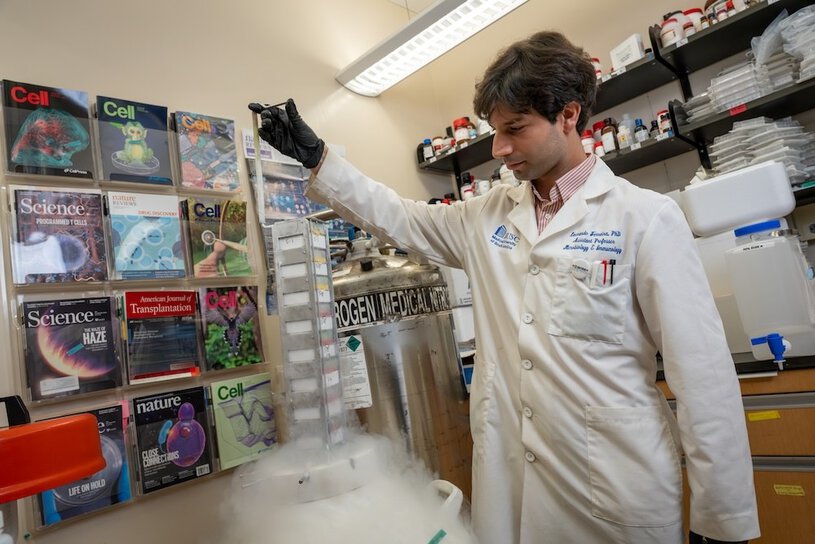
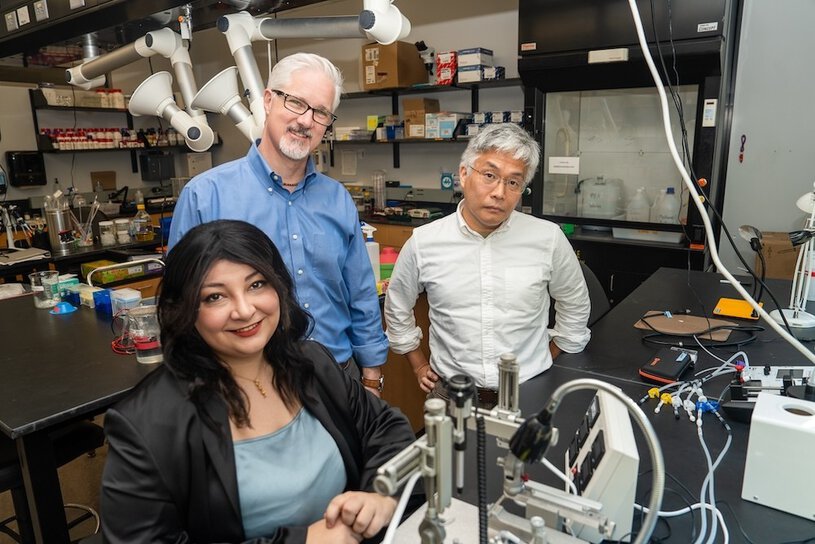
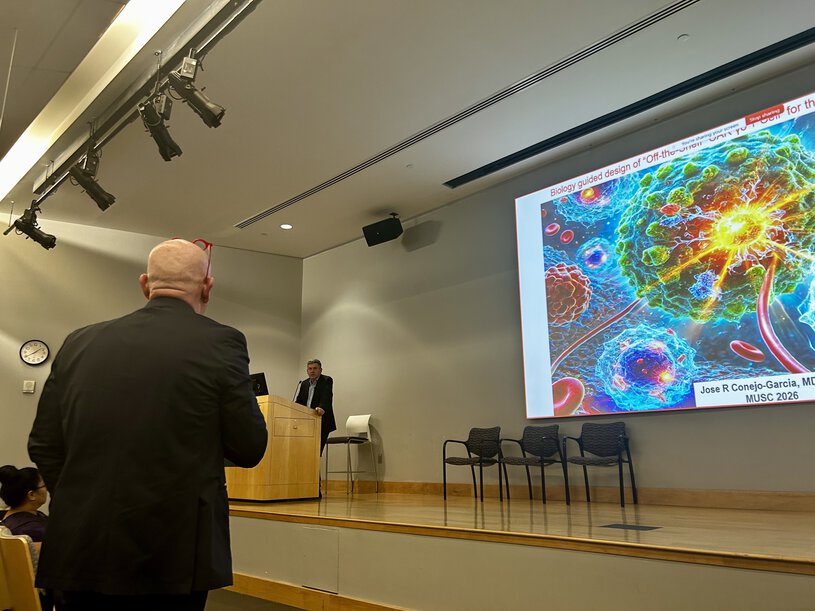
Learn more about each of the pilot grant mechanisms funded by SCTR.
Discovery pilots support translational research projects that use basic science, clinical, and/or community and population health approaches. These projects focus on collecting critical preliminary data to support extramural grant applications and on publishing, disseminating, or implementing research findings.
We encourage applications to this mechanism from across the MUSC Enterprise, including Charleston and the Regional Health Network.
Up to $25,000 direct costs for a 12-month period from the issue date of the Notice of Award.
| 2026 | Spring Cycle | Fall Cycle |
| RFA Release | February 2, 2026 | August 10, 2026 |
| Applications Due | April 3, 2026 | October 9, 2026 |
| Recommendation for Funding Notification | June 1, 2026 | December 4, 2026 |
| Earliest Possible Start | July 1, 2026 | January 1, 2027 |
It is strongly recommended that all applicants obtain a biostatistical consultation with Biostatistics, Epidemiology, and Research Design (BERD). Request a consultation via SPARCRequest.
Discovery Applications must include the following:
The SCTR Translational Entrepreneurship Pilot (STEP) Grant supports innovative interdisciplinary pilot projects that propose substantial development of intellectual property (IP) and/or commercialization opportunities. STEP Grant Applications are accepted on a rolling basis.
Up to $10,000 direct costs for a 12-month period from the issue date of the Notice of Award.
All applicants are strongly recommended to obtain a biostatistical consultation with Biostatistics, Epidemiology, and Research Design (BERD). Request a consultation via SPARCRequest.
Specific Aims (1 page)
State the goals of the proposed research concisely. Summarize the expected outcomes, including the impact the results will have on the relevant research field or fields. Also describe how the research will lead to the substantial development of intellectual property and/or commercialization opportunities.
List succinctly the specific objectives of the research proposed (e.g., to test a stated hypothesis, create a novel design, solve a specific problem, challenge an existing paradigm or clinical practice, address a critical barrier to progress in the field, or develop new technology), translational potential of the proposed research, and potential impact as applicable.
SCTR-specific instructions: Describe each team member’s role, how the project will stimulate new and interdisciplinary collaborations that would otherwise might not have taken place, plans/potential to secure future extramural grant funding including funding agency and mechanism (R, P, U, or any other).
Learn more about specific aims on the NIH website.
Research Strategy (3 pages)
Investigators are also required to include a “Path to Commercialization” section outlining entrepreneurial plans that will stem from the research. Plans may include start-up company formation, SBIR/STTR grant submissions, industry partnering and licensing, or other strategies for translation through commercialization.
Learn more about research strategy on the NIH website.
Literature Cited (if applicable)
Literature cited does not count toward page count limits.
Learn more about literature cited on the NIH website.
Early-Stage Investigator (ESI) Requirements
Please see FAQs for more information on these requirements.
Timeline (1 page)
Timelines should be in table format.
Detail your plan for extramural grant applications, publication, dissemination, and/or implementation of findings.
NIH Biosketch
Submit biosketches for all investigators and mentors. Combine all biosketches into one PDF in order of the listed project team members, with the PI’s biosketch listed first.
Special roles:
• For non-academic or community investigators, a CV/resume is sufficient.
• For a consultant, include the name of the individual and their role in the research proposal. Biosketches are not required for consultants.
Detailed Budget & Budget Justification
Submit a budget in PHS 398 format. Include a budget justification.
Progress Report (if applicable)
PIs with prior SCTR awards are required to submit a progress report on their project.
State of Record of Innovation (ROI) (recommended when appropriate)
Statement indicating if a ROI has been submitted to the MUSC Zucker Institute for Innovation Commercialization
Translational science as a field generates scientific and operational innovations that overcome longstanding challenges along the translational research pipeline, incorporating Translational Science Principles and transforming the way research is done, making it faster, more innovative, and more impactful. The Translational Science Challenge (TSC) RFA invites pilot proposals with potential to significantly advance translational science and catalyze downstream impacts in translational research efficiency and quality. Using Translational Science Principles and working in interdisciplinary teams they are transforming the way research is done, making it faster, more innovative, and more impactful.
$25,000 for one year, direct costs
| 2026 | Key Date |
| RFA Release | August 7, 2026 |
| 1-page Concept Proposals Due (by 5:00 pm) | October 9, 2026 |
| Full Applications Due | January 8, 2027 |
| Recommendation for Funding Notification | February 5, 2027 |
| Earliest Possible Start | April 1, 2027 |
SCTR leadership will select concepts for invitation to submit full applications and will work collaboratively with applicants to ensure alignment with Translational Science Principles.
Please include the following in your concept proposal:
All concept proposals must be submitted via InfoReady. A SPARCRequest ID (SRID) is required to submit your concept proposal.
Leadership will recommend SCTR Service consultations (e.g., community engagement, statistical/study design, data source assessment, dissemination and/or implementation science, as indicated) before full application submission.
Drop-In Sessions
Register for a drop-in session ahead of the concept proposal deadline to discuss your project/refine your idea with Pilot Program leadership. Schedule a 15-30 minute session by emailing Sydney Bollinger.
Session times to be announced in Summer 2026.
All applicants are required to obtain a biostatistical consultation with Biostatistics, Epidemiology, and Research Design (BERD). Request a consultation via SPARCRequest.
Specific Aims (1 page)
Concisely state the goals of the proposed research and summarize expected outcomes, including potential impacts of proposed research. Succinctly list the specific objectives of proposed research, translational potential of the proposed research, and potential impact, as applicable.
Additionally, please provide information on each team member’s role, how the project will stimulate new and interdisciplinary collaborations, and plans/potential to secure future extramural grant funding, including the funding agency and mechanism.
Learn more about Specific Aims.
Research Strategy (6 pages)
Investigators applying to the Translational Science Challenge (TSC) are allowed up to 6 pages for their Research Strategy and Impact Statement.
Learn more about Research Strategy.
Literature Cited (if applicable)
Literature cited does not count toward page limits.
Learn more about Literature Cited.
Early Stage Investigator (ESI) Requirements
The following are required for PIs meeting NIH ESI criteria:
Support letters do not count toward application page limit.
Timeline (1 Page)
Detail your plan for extramural grant applications, publication, dissemination, and/or implementation of findings.
Timelines should be in table format.
NIH Biosketch
Submit biosketches for all investigators and mentors. Combine all biosketches into one PDF in order of the listed project team members, with the PI’s biosketch listed first.
Special roles:
Detailed Budget & Budget Justification
Submit a budget in the PHS 398 format. Include a budget justification.
Data Management & Sharing Plan
Because the Translational Science Challenge awards are funded through NCATS, all Translational Science Challenge projects must be compliant with SCTR’s Data Management and Sharing Plan. Scientific data generated through your Translational Science Challenge award will need to be shared and managed in accordance with NIH policies.
Visit the NIH website for more information on writing a data management & sharing plan.
The DMP Tool is accessible with an MUSC email address.
Progress Report
PIs with prior SCTR awards are required to submit a progress report on their project.
For additional information and support, reach out to SCTR’s Office of Science Development.
All applications will be submitted online using the InfoReady application portal.
Complete and submit the application through InfoReady, uploading all required documents where indicated. Reach out to Sydney Bollinger (bollinger@musc.edu) for questions regarding the InfoReady submission portal.
For detailed application instructions, please review the funding opportunity RFA and the application requirements below.
Eligibility Requirements:
The following individuals are eligible to serve as PI for a SCTR Discovery Grant:
Early Stage investigators (ESIs) and investigators from MUSC RHN sites are encouraged to submit applications.
Post-doctoral scholars are not able to serve as PI on SCTR Pilot Grants. However, post-docs are welcome to serve as a co-I on a SCTR Pilot Award.
SCTR Pilot Grant opportunities require interdisciplinary team collaboration.
Existing investigator teams may submit new and innovative project ideas. The proposed research must represent a clearly distinct and novel direction compared with the principal investigator’s and research team’s past and current work. Existing teams must also meet the interdisciplinary requirement.
The following are only required for PIs meeting NIH ESI criteria.
*Support letters do not count toward the page limit of the application.
In 2026, we are accepting both the old NIH format and the new common form (SciEnCV) for biosketches.
Submit budgets for all SCTR Pilot Grants in the PHS 398 format.
Progress Reports are required for all PIs with prior SCTR awards, including Discovery, High Innovation High Reward (HIHR), SCTR Translational Entrepreneurship Pilot (STEP), Team Science Pilot, Telehealth Pilot, CES-P, and SCTR K12/COM K12.
Include the following components:
Allowable Costs:
Unallowable Costs
All SCTR Pilot Applications require a SPARC ID for submission.
Follow the instructions below to obtain a SPARC ID for your application:
Follow the instructions below to add a funding opportunity to an existing SPARC ID:
Program Impact: July 2020 - June 2025
It literally opened the door and helped built a solid foundation for our current multidisciplinary translational team research with the participation of many co-investigators across different departments at MUSC.
View details for the most recent year of completed grants. For an extensive list of SCTR pilot program awards for all pilot mechanisms, reach out to SCTR’s Office of Science Development.
The Effects of Estradiol on Inflammation in Dermal Fibrosis
DeAnna Baker Frost, M.D., Ph.D.
Department of Medicine
College of Medicine
Medical University of South Carolina
The Role of Serine Proteases in Nephrotic Syndrome
Milos Budisavljevic, M.D.
Department of Medicine
College of Medicine
Medical University of South Carolina
Development of a Novel Artificial Intelligence/Machine Learning Informed Electronic Medical Record Based Risk Prediction Algorithm for Postoperative Venous Thromboembolism
Thomas Curran, M.D., MPH
Department of Surgery
College of Medicine
Medical University of South Carolina
Outcomes of a Large-Scale Hearing Screening Program at the Medical University of South Carolina
Lauren Dillard, Ph.D.
Department of Otolaryngology
College of Medicine
Medical University of South Carolina
Does CYP2E1 Promote Gut GABA Signaling and Mucus-Mediated Protection from Salmonella Infection?
Jessica Hartman, Ph.D.
Department of Biochemistry & Molecular Biology
College of Medicine
Medical University of South Carolina
Home Health and Speech-Language Pathology Service Latency as a Modifiable Determinant of Outcomes in Alzheimer's Disease and Related Dementias
Janet Horn, Ph.D., CCC-SLP
Department of Health Sciences & Research
College of Health Professions
Medical University of South Carolina
Integrating Corticospinal Tract Assessment via sTMS and taVNS-Augmented CIMT in Infants with Hemiplegia
Dorothea Jenkins, M.D.
Department of Pediatrics
College of Medicine
Medical University of South Carolina
Development and Validation a Novel Method for Defining Neurogenic Hypertension in Mice
Jeffrey Jones, Ph.D.
Department of Surgery
College of Medicine
Medical University of South Carolina
TMS-iEEG Causal Mapping of Cognitive-Emotional Network Dynamics in Epilepsy
Lisa McTeague, Ph.D.
Department of Psychiatry & Behavioral Sciences
College of Medicine
Medical University of South Carolina
Cholinergic Control of Goal-Directed Behaviors in Lateral Septum in Prader-Willi Syndrome Mouse Model
Estefania Pereira Cardoso Azevedo, Ph.D.
Department of Neuroscience
College of Medicine
Medical University of South Carolina
Regulation of IL6 by acetylation of KLF4 and histones
Ludivine Renaud, Ph.D.
Department of Medicine
College of Medicine
Medical University of South Carolina
Diagnostic Assessment and Natural History of Intercostal Nerve Injury Following Rib Fracture
Matthew Sherrier, M.D.
Department of Orthopaedics
College of Medicine
Medical University of South Carolina
Leveraging Multi-omics to Gain New Insights about the Association of Hemostasis Plasma Biomarkers with Atherothrombotic Outcomes
Kimberley Youkhana, M.D.
Department of Hematology and Oncology
College of Medicine
Medical University of South Carolina
SoniNav: Real-Time Intravascular Modeling with Ultrasound Derived Data for Use in Endovascular Surgery
Ravikumar Veeraswamy, M.D.
Department of Surgery
College of Medicine
Medical University of South Carolina
Creation and Distribution of Bidirectional Vascular Access Sheath
Adam Tanious, M.D., MMSc
Department of Surgery
College of Medicine
Medical University of South Carolina
Systematic Review Automation with Large Language Models
Emily Brennan, MLIS
Department of Research & Education Services
MUSC Libraries
Medical University of South Carolina
Improved Measurement Development through the Use of Artificial Intelligence in Qualitative Research Methods
Kathryn Gex, Ph.D.
Department of Psychiatry & Behavioral Services
College of Medicine
Medical University of South Carolina
Enhancing Sustainability of a Behavioral Health Intervention after Pediatric Injury Using AI
Leigh Ridings, Ph.D.
Department of Nursing
College of Nursing
Medical University of South Carolina
Effects of Participant Recruitment Strategies on Clinical Trial Enrollment Efficiency
Rachel Tomko, Ph.D.
Department of Psychiatry & Behavioral Services
College of Medicine
Medical University of South Carolina
Each year, SCTR facilitates collaboration across traditional disciplinary and institutional lines by sponsoring statewide, thematic-based retreats for basic, clinical, and population scientists, and community practitioners at all career stages. Retreats focus on the development of translational science and topics address health conditions of importance to South Carolina. These retreats are attended by investigators, clinicians, and community members from across the state.
SCTR offers assistance to MUSC investigators who are submitting extramural grant applications with the goal to increase the quality of the application and funding success.
Review requests must be submitted at a minimum of 6 weeks prior to MUSC ORSP’s extramural grant application due date.
SCTR-supported External Review of Extramural Grant Applications is limited to MUSC Faculty submitting NIH R-series, K-series, and NSF applications. Requests for review should be submitted via SPARCRequest.
Review additional information for the external scientific review of extramural grant applications.
All applications must be sent to SCTR at least six weeks prior to the MUSC Office of Research and Sponsored Programs (ORSP) deadline.
Upon receipt of your application materials, SCTR will review the application and then send it to the external reviewer. Please allow two weeks for SCTR’s review.
SCTR is not liable if your application is not funded.
After SCTR reviews your SPARCRequest, someone will reach out to you and request the following:
Contact information:
If the application is a resubmission, Summary Statement and Introduction toResubmission are required.
If the PI is an Early-Stage Investigator (ESI), submit required components for ESIs Literature citations
If SCTR determines the application has major review critiques that must be addressed:
All recipients of SCTR services, including external scientific grant reviews, are required to acknowledge the SCTR grant number (UL1 TR001450) on research publications, press releases, requests for proposals, bid invitations, and other documents support in whole or in part with NIH/SCTR funds. Learn more about citing the SCTR grant.
Sydney Bollinger
bollinger@musc.edu
Questions or requests for additional information can be sent to SCTR's Science Development Office - sctr-sdo@musc.edu.