
At the South Carolina Clinical and Translational Research (SCTR) Institute, researchers are learning that some of the most valuable expertise in study design comes not only from the lab or clinic, but from the communities their work hopes to serve. Participant Engagement Groups (PEGs), a service facilitated by the Participant Engagement program, are one way SCTR is helping investigators build more community-informed, feasible, and impactful research beginning at the earliest stages when a project is in development.
A PEG is a facilitated focus group with stakeholders outside of the research field at center stage. Examples include populations that are the focus of the research, caregivers, and community members. These groups provide feedback that can help investigators design, implement, and disseminate their research projects to have real world impact.
Benefits of PEGS include:
• Ability to engage in open dialogue with experts from various settings simultaneously, maximizing efficiency and synergy
• Identifying potential obstacles in participant recruitment and long term study engagement
• Assess feasibility and appropriateness of the research for the patient population or community
• Receiving guidance on the clarity and relevance of study materials such as recruitment flyers and survey instruments
SCTR’s PEGS are modeled after Vanderbilt University’s Community Engagement (CE) Studio and built on core CE principles, such as the importance of gaining knowledge of the community and its various cultures, demonstrating trustworthiness, and recognizing the community as experts that should drive strategy. They provide researchers information that can help them to align research goals with community priorities to improve effectiveness and relevance. Ultimately, this bespoke approach can improve health outcomes as a whole.
A shining example of how PEGs can enhance research is a new project led by Rochelle F. Hanson, Ph.D., and Michael R. McCart, Ph.D. This five-year study will compare two strategies to increase adolescents’ access to a specialized treatment that addresses posttraumatic stress symptoms and substance use problems in teens who have experienced physical or sexual assault. They recently received a $16.4 million funding award from the Patient-Centered Outcomes Research Institute (PCORI). The treatment plan at the heart of the study is called Risk Reduction Through Family Therapy (RRFT) and was created by Carla Kmett Danielson, Ph.D., who is a member of the PCORI study team. RRFT is currently the only proven treatment for adolescents ages 13-18 that helps with both trauma symptoms and substance use problems simultaneously. In advance of their PCORI application, Hanson and McCart worked with SCTR’s co-director for Community Engagement Research Recruitment Enhancement, Cristina “Tina” Lopez, Ph.D. to lead a PEG that included clinicians, parents, and teenagers – a step that they said was “critical” to their success. As Lopez reiterated, “it was especially exciting to build on SCTR’s established community engagement expertise to gather ecologically valid feedback from stakeholders. That perspective proved invaluable, helping us develop a more competitive PCORI submission rooted in authentic community voice and impact.”
Below, we speak with Hanson and McCart on their project, PEGs, and community engagement:
Q&A with the Experts
Q: Can you briefly describe your background and what led you to study this question?
Rochelle F. Hanson, Ph.D. (Co-PI): I am a licensed psychologist and Professor at the National Crime Victims Research & Treatment Center in the Departments of Psychiatry and Behavioral Sciences and Pediatrics at MUSC. I have dedicated my career to the field of traumatic stress, with an emphasis on improving the lives of children and families impacted by exposure to traumatic events. Over the past 15 years, I have focused on dissemination and implementation of trauma-focused evidence-based treatment interventions to mitigate the adverse impact of trauma exposure. These interests align extremely well with the goals of this project and offer the opportunity to make a significant impact on the lives of adolescents and their families.
Michael R. McCart, Ph.D. (Co-PI): I am a licensed psychologist and Professor at the National Crime Victims Research & Treatment Center in the Department of Psychiatry and Behavioral Sciences at MUSC. My work centers on increasing behavioral health treatment access for adolescents (aged 12-18) struggling with substance use and co-occurring mental health problems. Adolescents encounter numerous life transitions, and psychiatric disorders become more prevalent during this developmental period. At the same time, services for adolescent mental health are remarkably limited across healthcare systems nationally. The current study aligns with my interest in addressing that service gap for adolescents and mitigating their risk for longer-term problems.
Q: How did you first find out about the SCTR PEG Service and what appealed to you about including it in your project?
Hanson & McCart: This project requires extensive, ongoing engagement with key community stakeholders, including youth, caregivers, providers, and agency leaders across the U.S. Our colleague, Dr. Tina Lopez, informed us about the SCTR PEG Service, which provided an excellent opportunity to elicit feedback from these constituents that informed the writing of our proposal and will serve as a guide for implementation of the project.
Q: How did the SCTR PEG help you carry out your project?
H&M: SCTR facilitated the conduct of focus groups with 4 different groups – youth, caregivers, providers, and policymakers (i.e., those in leadership roles who inform policy decisions), which significantly shaped the writing of our proposal. Specifically, feedback from the focus groups yielded insight into the roles, responsibilities, and processes of our project’s four Community Advisory Boards (CABs; Youth, Caregivers, Providers, and Policymakers), that will guide the proposed project activities. The PEGs also supported the need, framework, and design of our study.
Q: How would your project have turned out differently had you not used PEGs?
H&M: In our opinion, the PEGs were critical, given PCORI’s emphasis on community engagement. The reviewers commented on this aspect of our proposal, which was viewed as a major strength.
Q: What is next for your project?
H&M: The official start date of the project is Sept 1st.
Q: If you could give someone considering using the SCTR PEG Service in their project a piece of advice, what would it be?
H&M: We believe the PEG Service was extremely beneficial in developing our proposal and would recommend this to anyone considering a project that involves consumer/stakeholder input (which is likely true of most research and services grants). The input is incredibly valuable in determining the need for a particular initiative and providing critical data that can inform the proposed design.
Tara Pittman, SCTR Recruitment manager, echoes Hanson and McCart’s endorsement of the benefits of PEGs and the invaluable feedback that can be obtained when setting a study up for success. Her words of wisdom for investigators interested in PEGs? “They are available as a free resource,” she advises. “Engage with us as early as you can when considering project design and recruitment strategies. The earlier you get community feedback, the better you can appropriately plan for and allocate resources to implement successful strategies, rather than spending money and time correcting existing efforts.” Similarly, Lopez emphasized that even if the project design does not directly have constituent input, PEGs allow investigative teams to seek perspectives from potential participants and recruitment sites/community partners that will proactively streamline recruitment and retention on the front end and potential eliminate potential hiccups.
To learn more about PEGs, visit the Participant Engagement page on SCTR’s webpage or submit a SPARCRequest
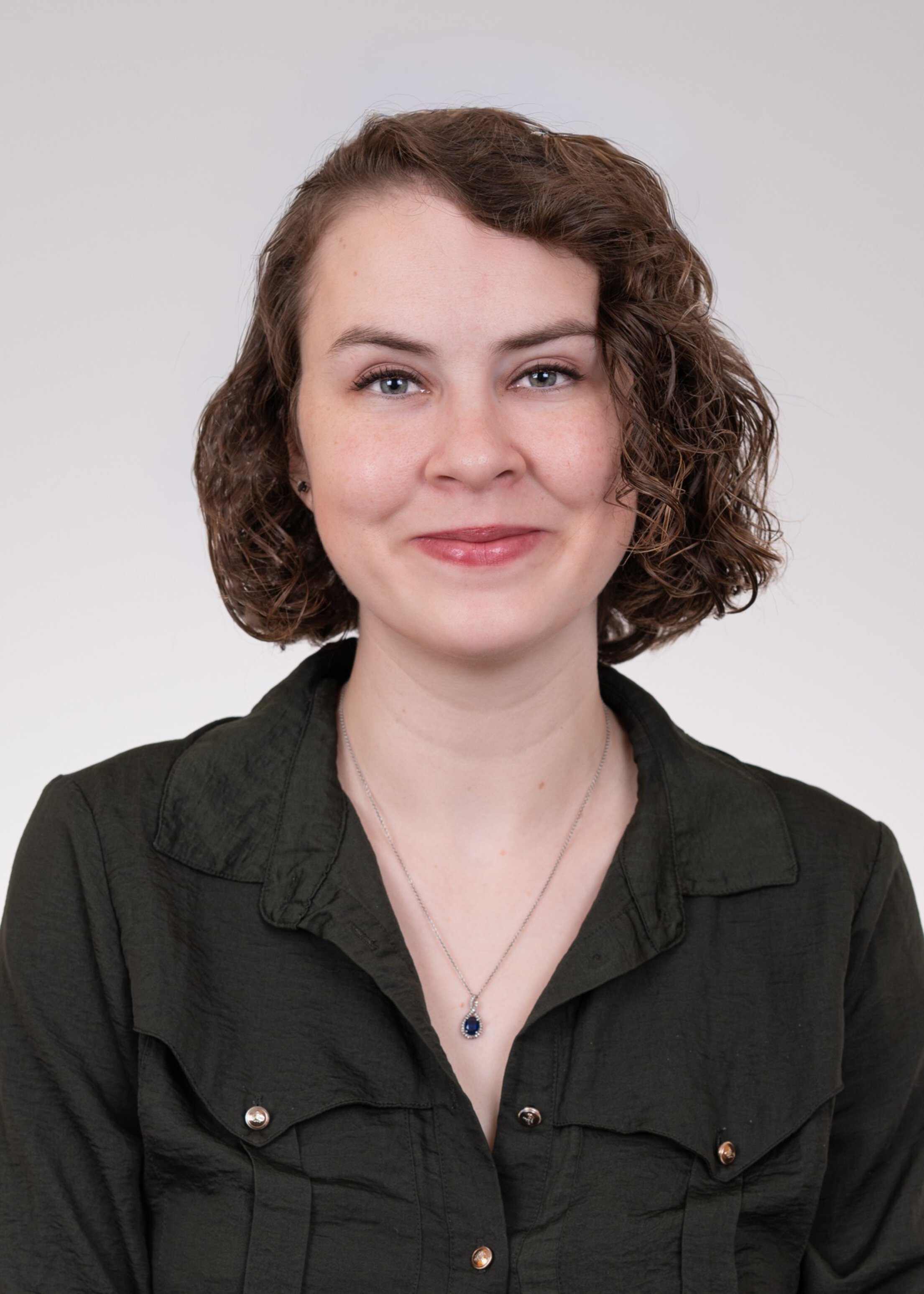
Sophia Barry Gordon
Sophia Barry Gordon is the science writing and communications program coordinator at the South Carolina Clinical & Translational Research (SCTR) Institute. She holds a Master of Science degree from New York University and is currently a Ph.D. candidate at the University of Birmingham (UK).
Recent SCTR Spotlight stories