

Long-time RCM member Erin Klintworth is stepping into a new role as Director. As the program enters a new era, we reflect on RCM’s legacy, celebrate wins and strengths, and look ahead to the future.
They’ve Got Your Research Project Covered
The RCM team at SCTR’s Research Nexus is composed of highly trained research professionals and licensed nurse research coordinators, offering an extensive suite of services to support investigators at every stage of the research process. Whether managing multi-site trials or providing day-to-day oversight of research programs, the team brings expertise, precision, and a collaborative spirit to each project.
RCM Services Include:
- Study management and coordination, the operational backbone of research teams
- Project management for single- and multi-site studies
- Regulatory and data management
- Participant recruitment strategies
- Quality assurance monitoring (remote and on-site)
- Study assessments (e.g., semi-structured interviews, psychometric testing)
- Implementation of social-behavioral interventions
- Support across inpatient, outpatient, outlying clinics, and regional health centers
MUSC investigators can access RCM support on a fee-for-service basis, with flexible options including full-time, part-time, PRN, or gap coverage, ensuring tailored support that meets the evolving needs of each study.
They have not only improved research operations—but helped affirm research assistants, coordinators, and managers as an essential, professional workforce that deserves recognition and long‑term investment.
A Model for Clinical Research Professional Development
South Carolina Clinical & Translational Research (SCTR) Institute’s Co-Lead for Workforce Development, Tammy L. Loucks, DrPH, reflects on how RCM is fulfilling a crucial need for specialized research assistance.
“The RCM team provides more than a range of exceptional research services; their internship program provides real world experiences and training for new clinical research professionals. RCM is also a trusted institutional partner helping to establish defined and consistent roles, competencies, and expectations. They have not only improved research operations—but helped affirm research assistants, coordinators, and managers as an essential, professional workforce that deserves recognition and long‑term investment.”
The Road Ahead: Q&A with RCM’s New Director
RCM’s new Director, Erin Klintworth, sits down to answer questions about the legacy left by pioneering former Director Clare Tyson, the skills and experience she brings to the role, and RCM’s forward-facing vision for next steps.
Q: Congratulations on your new role! What has working with Clare meant to you?
A: Clare has been a huge mentor to me throughout my career. Over the years, she hired me into 3 different positions, with the first back in 2010 and the last as program manager with the RCM. Replacing her as director of the RCM honestly feels like huge shoes to fill, but I know that she believed in my capabilities, and I hope to continue building on the program she started.
Q: The RCM team supports everything from multi-site studies to complex, fast-paced clinical environments. How has your experience as program manager (or even earlier professional experiences) prepared you to lead across such a wide spectrum of research needs?
A: While I’m new to the director role, I’m not new to the RCM team. For the past six years, I’ve served as the Quality Assurance Program Manager, and I’ve been part of MUSC’s research community for 19 years. My career began as a research coordinator in psychiatry, where I worked on single-site, investigator-initiated studies. That experience gave me a hands-on understanding of every phase of a trial, from recruitment and data collection to grant applications and analysis. I later transitioned to project management and quality assurance with MUSC’s NIDA Clinical Trials Network node, where I trained community sites with little research infrastructure and conducted formal monitoring visits. This role gave me experience in clinical trial oversight and led to my certification as a Clinical Research Associate.
The RCM’s greatest strength is its people.
Over the years, I’ve held roles in regulatory support, data coordination, and project management for large multi-site trials. These experiences taught me the complexity of research operations and the importance of adaptability. I believe my breadth of experience is a strength I bring to the team, especially as we collaborate across departments and support diverse research initiatives.
Q: The RCM team has been praised for being highly cohesive with strong communication and seamless coordination. As you take the reins, what new perspectives or strengths do you bring that will help the RCM evolve in its next chapter?
A: The RCM’s greatest strength is its people. We have an exceptional team of coordinators—many of whom started as Program Assistants and have grown into highly skilled professionals. Every Program Coordinator on our team has been with the team for at least three years, which speaks to our culture of professional development and collaboration. My goal is to continue fostering that environment. I want to ensure our coordinators have the resources, mentorship, and opportunities they need to thrive. By supporting their growth and encouraging knowledge-sharing, we can maintain the strong foundation that makes the RCM successful while continuing to adapt to new challenges.
Q: Investigators consistently highlight the RCM’s professionalism, responsiveness, and ability to stay flexible under pressure. What strategies do you plan to implement—or enhance—to ensure the team continues exceeding expectations, especially as research demands grow more complex?
A: As research becomes increasingly complex, I think the RCM’s focus should be on maintaining flexibility while strengthening the systems that support our work. I want the RCM to continue to prioritize professional development, so our coordinators remain equipped to navigate evolving regulations and study designs. At the same time, I want to streamline processes and leverage technology, like eReg, to reduce administrative burden and improve efficiency. Open communication with investigators and stakeholders will also be important, ensuring we anticipate challenges early and adapt quickly.
Q: The RCM is deeply engaged not only in operational research support but also in institutional initiatives and community outreach. How do you hope to expand or shape the team’s impact both within MUSC and in the broader research community?
A: RCM coordinators work across departments and on a variety of trials, which positions them to identify roadblocks and inefficiencies in research processes. Their feedback is invaluable in shaping institutional improvements that benefit the entire research community. Beyond operational support, the RCM is deeply committed to workforce development. Our team regularly participates in career fairs, engages with graduate programs, and collaborates with other CTSA institutions to share tools and best practices. We also play a key role in managing MUSC’s Advarra eReg platform, helping to guide enhancements and training for users. Moving forward, I hope to expand these efforts and strengthen our role as a resource for MUSC research teams.
Research Coordination & Management
Research Careers at MUSC
MUSC offers a variety of research career paths, with room to grow, learn, and specialize. Learn more and explore current research career opportunities at MUSC.
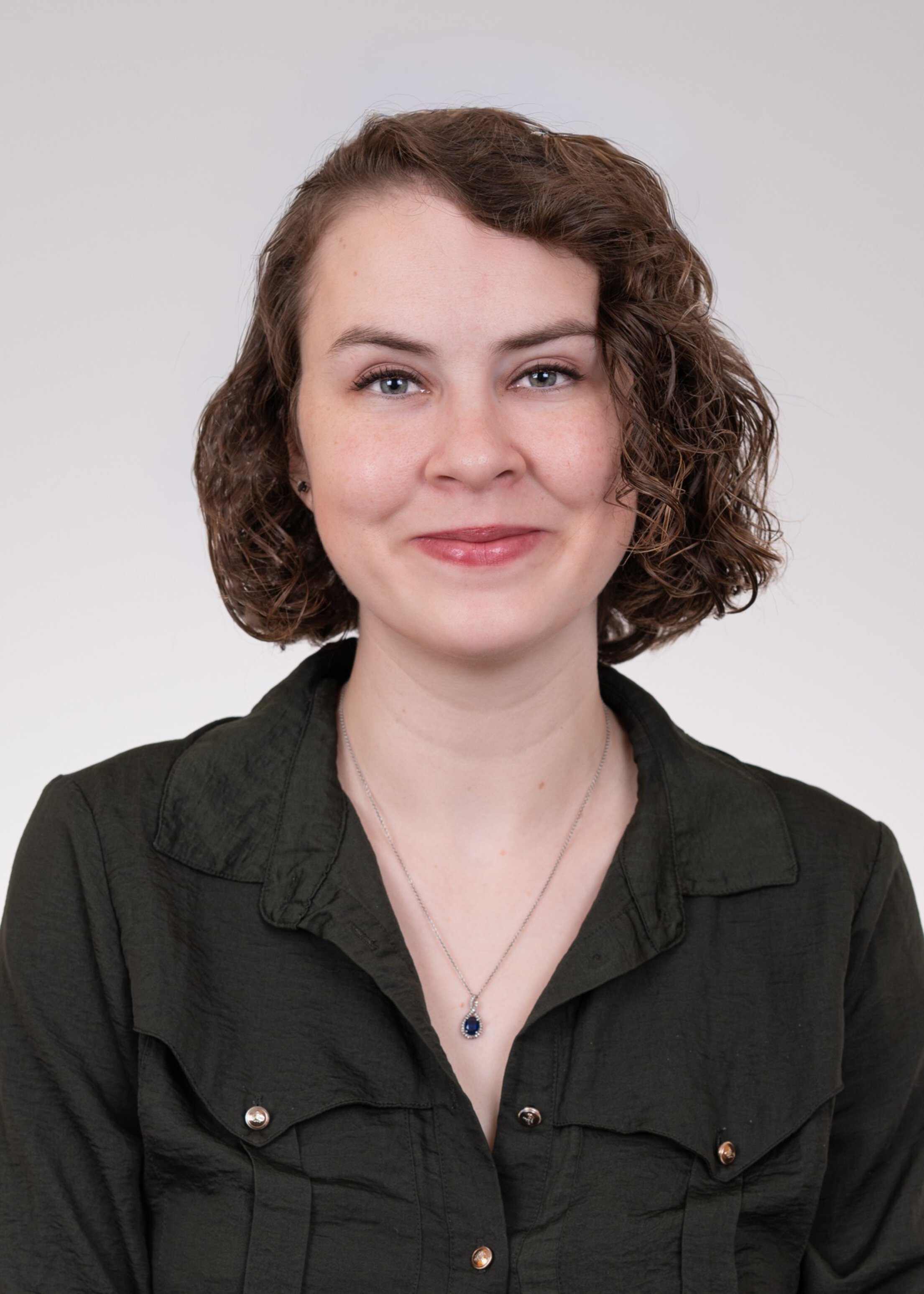
Sophia Barry Gordon
Sophia Barry Gordon is the science writing and communications program coordinator at the South Carolina Clinical & Translational Research (SCTR) Institute. She holds a Master of Science degree from New York University and is currently a Ph.D. candidate at the University of Birmingham (UK).