
When South Carolina established the Rare Disease Advisory Council (RDAC) in 2022, Patrick Flume, M.D., stepped into a leadership role that would help to transform a legislative mandate into a thriving statewide resource for patients, families, advocates, clinicians and researchers. Serving as the council’s founding chair, Flume guided RDAC from its earliest days, helping to build the infrastructure, partnerships and momentum needed to advance rare disease awareness and advocacy across the state.
Reflecting on the experience, Flume remained characteristically humble about his role in the council’s success. “Starting the RDAC was not something I was seeking to do, but I am glad that I had the opportunity,” he said.
Under his leadership, RDAC established a growing annual symposium, collated valuable educational resources, strengthened connections within the rare disease community and laid the groundwork for future efforts to connect South Carolinians with research opportunities.
As Flume passes the torch to Neena Champaigne, M.D., he looks back on the council’s remarkable growth and shares lessons learned from helping to shape its mission and impact.
Q&A with Patrick Flume
Q: From its early days to its current reach and impact, RDAC has come a long way. What has it been like to guide that growth, and what are you most proud of along the journey?
A: Starting from scratch made it a bit rough to get it going. The South Carolina Legislature dictated who would be on the committee, but that is not the same as getting enthusiastic volunteers. There were many outside volunteers, students and family members, but until we got some infrastructure in place, I wasn’t sure how best to put that energy to good use. Once we got some people in place and some funding to support the RDAC’s operations, then everything started moving. Putting together a strong team has been the most rewarding because they have delivered what the state requested and more.
Q: When you think about RDAC’s legacy thus far, what achievements best reflect its mission and impact?
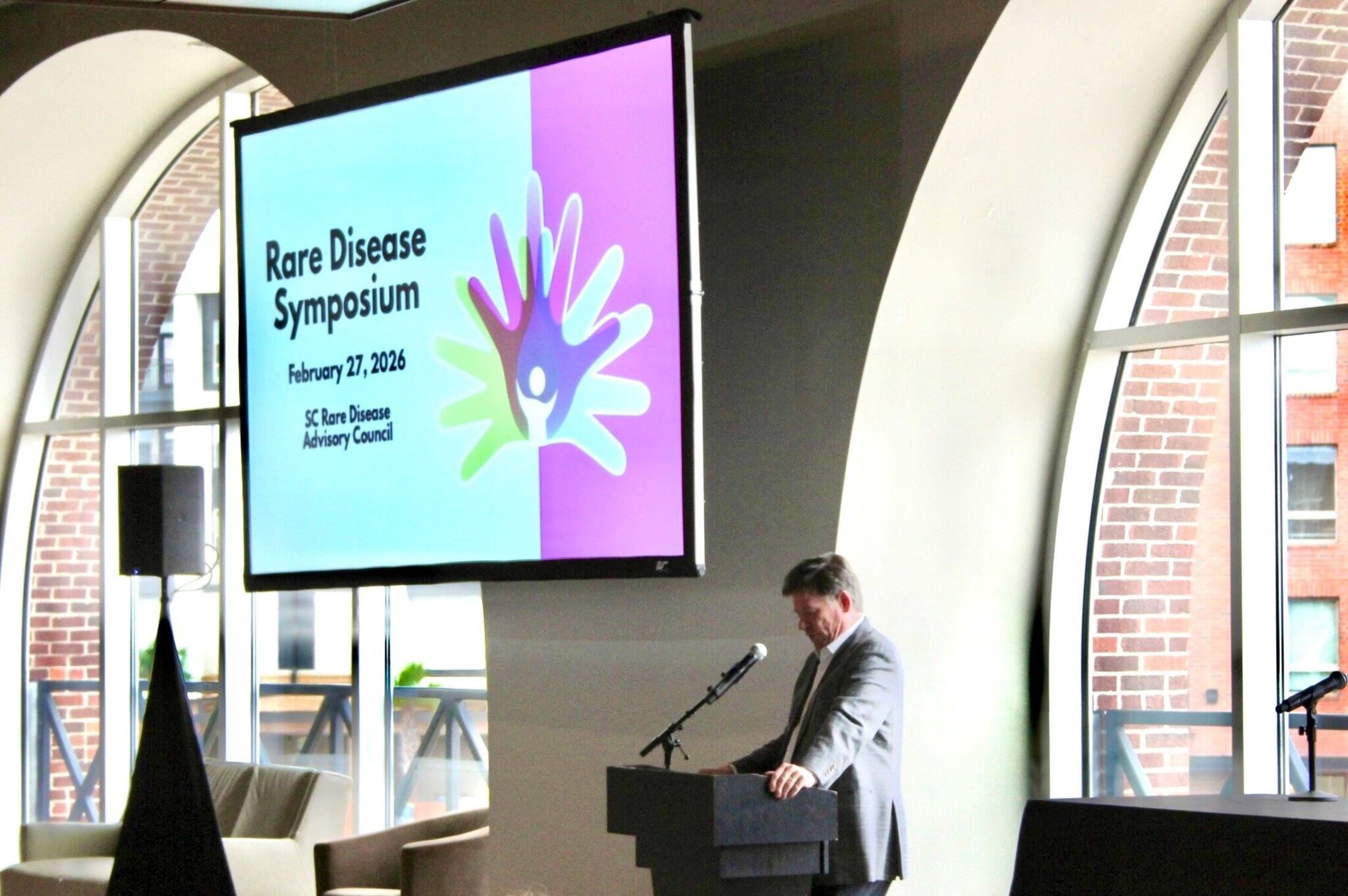
A: Our primary tasks were to provide resources, mostly informational, to the community and to inform the legislature about all things rare diseases. We created a website with valuable links and stories. We established an annual rare disease symposium that has been growing in attendance each year. We are beginning to learn more about just how many people in S.C. are affected by rare diseases.
Q: As RDAC enters its next chapter, what are your hopes for the organization and its future leaders?
A: It is hard to be all things to all people, and those affected by rare diseases have many different needs. Trying to link them to available resources will always be a major goal for the RDAC. Building a bridge between those with rare diseases and research opportunities is a next big step. We want people to know more about what is happening in research, and if there are some who want to participate, how do we let them know about opportunities?
Q: If you could leave the incoming RDAC chair with one item in a “survival kit,” what would it be and why?
A: Listening. Although we have our own ideas of what can and should be done, we need input from others so we can more fully understand the challenges and potential solutions. Sometimes all that I try to do is put up a framework for people to share their ideas, their concerns, their hurdles, and I learn a lot from just listening.
Although we have our own ideas of what can and should be done, we need input from others so we can more fully understand the challenges and potential solutions...I learn a lot from just listening.
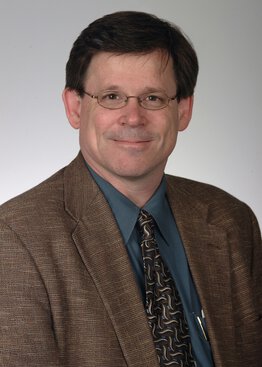
Patrick A. Flume, M.D.
Clinical Sciences Research Pathway Leader: Patrick Flume, M.D., is a Professor and Endowed Chair in the Departments of Medicine and Pediatrics. Dr. Flume has a long history of success in performing and leading large clinical trials in cystic fibrosis, bronchiectasis, and non-tuberculous mycobacteria pulmonary infections. He is Director of the MUSC CF Center, Director of the MUSC Therapeutic Development Network (TDN) research site (consistently in the top three performing centers in the network), and has served as a site Principal Investigator in >100 multi-center clinical trials and as the overall PI in >10 trials including the Standardized Treatment of Pulmonary Exacerbations in CF (STOP Program) funded by the CF Foundation. He has led the Pulmonary Clinical Trials Program for the last 10 years, providing supervision to a program that manages an average of 50 active studies at any given time. Many of his prior trainees have continued onto successful research careers in CF.
Q: How has your experience with RDAC shaped the way you approach your work as a clinician and advocate in the rare disease community?
A: There are very different perspectives one must take when thinking about the individual – in other words, the patient in front of you – and the larger population. It is a bit easier to know what to advocate for with respect to a single patient, or even a group with a common condition, but when thinking about rare diseases at large, there are many needs, and they differ, but we can look for the common issues that can be addressed, hopefully, so that we are advocating for all and not only for a few. I respect that this is a challenge for our legislators.
Q: If you could go back and give yourself one piece of advice on your first day as chair, what would it be?
A: We eventually wrote a charter for the council, establishing how we would work, etc. I would have liked to have started that at the beginning.
Q: If RDAC’s journey during your time as chair were turned into a movie, what would the title be and who would play you?
A: It would have to be in the “Mission Impossible” series, so Tom Cruise would have to play the role.
To learn more about the SC Rare Disease Council, please visit rarediseasesc.org
Sophia Barry Gordon
Sophia Barry Gordon is the science writing and communications program coordinator at the South Carolina Clinical & Translational Research (SCTR) Institute. She holds a Master of Science degree from New York University and is currently a Ph.D. candidate at the University of Birmingham (UK).
Recent South Carolina Rare Disease Advisory Council - RDAC stories