
SCTR's Pilot Program recently awarded six Discovery grants of up to $25,000. Designed to support innovative, early-stage research with the potential to advance human health, the program helps investigators generate critical preliminary data and pursue new avenues of scientific discovery. Meet the latest awardees and learn more about the promising projects they are leading.
Mariel S. Bello, Ph.D.
Project Title: Quitting Together: A Mixed-Methods Investigation of Family and Interpersonal Influences on Cigarette Smoking and Cessation in Young Adult–Parent Dyads
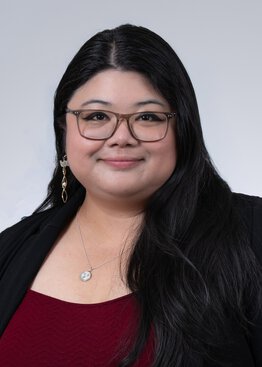
Mariel Bello, Ph.D.
Dr. Mariel Bello's primary cancer-related research interests involve investigating the social-contextual and behavioral mechanisms underlying tobacco use and cessation to inform equitable prevention and intervention efforts that reduce tobacco-related cancer disparities.
Q: If you could fast-forward five years and see one major impact from your pilot project, what would you hope to find?
A: My hope is that our pilot project helps to inspire a new generation of family-based smoking cessation interventions for young adults and their parents. Too often, we think about quitting smoking as an individual challenge, but our project is built on the idea that family relationships can powerfully shape health behaviors. Five years from now, I would love to see an evidence-based intervention that helps young adults and parents quit together and ultimately reduce disease risk for both generations.
Q: What is something your colleagues would be surprised to learn about you outside of your research or clinical work?
A: Most people know me as a researcher, but I'm actually a huge gamer. Just like books, I love the storytelling throughout video games. I also recently bought my first home with my husband, so when I'm not thinking about research, I'm usually thinking about home DIY projects and arts and crafts that could decorate our home.
Q: If your research project was a movie, what would the title be and who would play you? Why?
A: [The title of the movie would be] “Quitting Together” and Mindy Kaling [would play me]. She brings humor, energy and warmth to everything she does, which is how I try to approach both research and life. The movie would follow young adults and parents navigating the challenges of quitting smoking together, showing that meaningful change often happens through our relationships with the people we love most.
Q: What's the best piece of advice you've ever received about research or career growth?
A: Pursuing a career in research is challenging, unpredictable and filled with instances of criticism, rejection and setbacks, so I’ve often been encouraged by mentors and colleagues to take some time to reflect on my core values as a researcher and seek opportunities that ultimately align with these values and what matters most to me in life. Consistently reminding myself of my values has really helped me during challenging times throughout my career and allowed me to live a more authentic, meaningful and fulfilling life.
Jian Ouyang, Ph.D.
Project Title: Elucidating the Regulatory Mechanisms of Tumor Mutational Burden to Potentiate Immunotherapeutic Efficacy
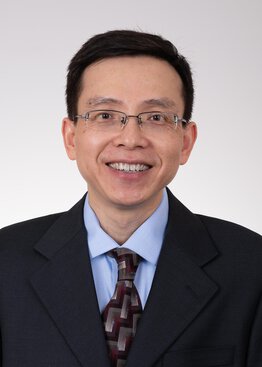
Jian Ouyang, Ph.D.
As an enthusiastic biochemist and a hand-on problem solver, my research has been focusing on the regulation of DNA damage repair and gene expression by post-translational modifications (PTMs). I have shown that PTM by small ubiquitin-like modifier (SUMO) can recruit epigenetic modifiers to regulate chromatin structure, and can recruit DNA repair factors in response to damaged DNA. Alterations in both transcription and DNA repair system are sources of genomic instability, although the underlying molecular mechanisms are quite different.
My recent work investigates the role of RNA, a product of transcription, in repairing damaged DNA. My ultimate research goal is to identify potential therapeutic targets based on mechanistic insights into the maintenance of genomic integrity, and develop potential targeted therapies for cancer.
Q: If you could fast-forward five years and see one major impact from your pilot project, what would you hope to find?
A: I hope we can find biomarkers for predicting cancer patients' response to immunotherapy and therapeutic targets for potentiating the efficacy of immunotherapy.
Q: What is something your colleagues would be surprised to learn about you outside of your research or clinical work?
A: I have a small collection of various tools that I use for house repair and maintenance.
Q: If your research project was a movie, what would the title be and who would play you? Why?
A: “The Hidden Spark: Finding Cancer's Next Therapeutic Targets”. Played by Paul Giamatti. The story will be about finding new targets for cancer treatment through persistent work driven by curiosity. Paul Giamatti fits the portrait of a non-genius scientist whose persistence, curiosity and humanity eventually reveal something extraordinary.
Q: What's the best piece of advice you've ever received about research or career growth?
A: Do your best with what you have, not what you wish to have.
Onder Albayram, Ph.D.
Project Title: Defining the Role of Omega-3 Fatty Acid Composition in Neurovascular Recovery After Traumatic Brain Injury
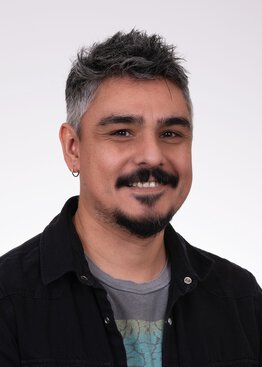
Onder Albayram, Ph.D.
The Albayram Laboratory investigates the biology of brain resilience: how biological time shapes the brain’s capacity to adapt to injury, aging, and disease, and determines whether challenged systems return toward homeostasis or transition toward persistent vulnerability.
Q: If you could fast-forward five years and see one major impact from your pilot project, what would you hope to find?
A: I would hope that our work has helped change how omega-3 supplements are considered after traumatic brain injury. Rather than treating all omega-3 formulations as the same, I hope our findings lead to more precise and evidence-based guidance based on their specific composition. Ultimately, I would like this project to help identify safer and more effective ways to support neurovascular repair and long-term recovery after brain injury.
Q: What is something your colleagues would be surprised to learn about you outside of your research or clinical work?
A: I enjoy learning about different cultures through food and travel. Having lived and worked in Turkey, Germany, the United Kingdom and the United States, I have developed a strong appreciation for the different ways people connect, communicate and approach life.
Q: If your research project was a movie, what would the title be and who would play you? Why?
A: The title would be “The Brain’s Second Chance.” I would choose Haluk Bilginer to play me because he brings intelligence, persistence and quiet humor to his roles. Those qualities fit a story about challenging assumptions and finding new paths toward recovery after brain injury.
Q: What's the best piece of advice you've ever received about research or career growth?
A: Do not be afraid when the data challenge your assumptions. Some of the most important discoveries begin when the results are different from what you expected. Stay curious, follow the evidence and work with people who bring different strengths and perspectives.
Makoto Taniguchi, Ph.D.
Project Title: R-loops at Alzheimer’s Disease GWAS Loci as a Novel Regulatory Mechanism in the Brain
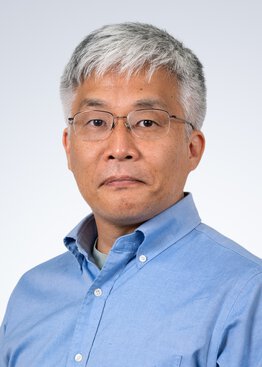
Makoto Taniguchi, Ph.D.
Q: If you could fast-forward five years and see one major impact from your pilot project, what would you hope to find?
A: I hope this project will reveal a new mechanism of gene regulation in the brain. Ultimately, I hope this basic science work opens the door to novel therapeutic strategies for Alzheimer’s disease.
Q: What is something your colleagues would be surprised to learn about you outside of your research or clinical work?
A: I was a stage actor in theater before and during my Ph.D. training
Q: If your research project was a movie, what would the title be and who would play you? Why?
A: Since I was on the stage, I might just play myself! But if I could cast anyone, I would choose Christopher Lloyd, channeling my favorite scientist, Doc Emmett Brown.
Q: What's the best piece of advice you've ever received about research or career growth?
A: Any experiment can provide results, so make sure you are addressing the most important and interesting questions.
Lu Han, Ph.D.
Project Title: Investigating a Novel Peptide to Limit Fibrosis and Tumorigenesis in the Pancreas
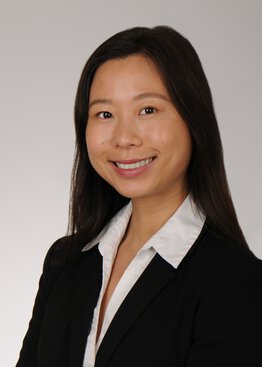
Lu Han, Ph.D.
The Han laboratory studies epithelial-mesenchymal tissue interactions during pancreatic homeostasis and tumorigenesis.
Pancreatic cancer is one of the most lethal types of cancer, with only 11% of patients surviving five years after diagnosis. While pancreatic cancer is driven by mutations in the epithelial cells, it is characterized by a drastic increase of mesenchymal fibroblasts constituting the tumor microenvironment. These cancer associated fibroblasts (CAFs) play critical and complex roles that are still poorly understood.
The Han laboratory aims to investigate the origin, differences, and function of fibroblasts in pancreatic cancer.
Q: If you could fast-forward five years and see one major impact from your pilot project, what would you hope to find?
A: The anti-fibrosis peptide as a novel therapy for pancreatic cancer.
Q: What is something your colleagues would be surprised to learn about you outside of your research or clinical work?
A: I work out for several hours on Saturdays.
Q: If your research project was a movie, what would the title be and who would play you? Why?
A: The title would be “The Dual-Target Solution”. Our research project investigates targeting both tumor and stroma for improved cancer control. Maggie Smith would play me. This was suggested by my student.
Q: What's the best piece of advice you've ever received about research or career growth?
A: Collaborate and learn from other people.
Kannan Samy, M.D.
Project Title: Improving Deceased Donor Kidney Recovery Through Normothermic Regional Perfusion: Molecular Characterization and Porcine Model Development
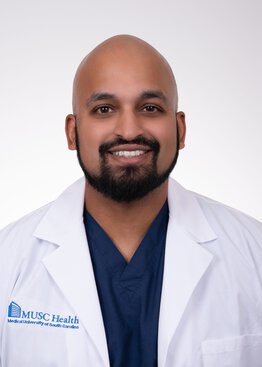
Kannan Pudur Samy, M.D.
Dr. Kannan Samy is an abdominal transplant surgeon and Assistant Professor at the Medical University of South Carolina, where he serves as the Director of Organ Recovery, Perfusion, and Preservation. He completed his general surgery residency at Indiana University, a post-doctoral research fellowship at Emory and Duke focused on translational transplant immunology, and transplant surgery fellowship at Duke. His professional focus centers on advancing organ preservation and perfusion technology, including the clinical implementation of machine perfusion devices and normothermic regional perfusion for DCD organ recovery.
Dr. Samy was recently the recipient of the MUSC Harvey and Marcia Schiller Surgical Innovation Award to support OPO and transplant centers with AI-driven data management and decision making tools.
To learn more about SCTR’s Pilot Program and the Discovery Grant mechanism, visit the Pilot Grant Program homepage.
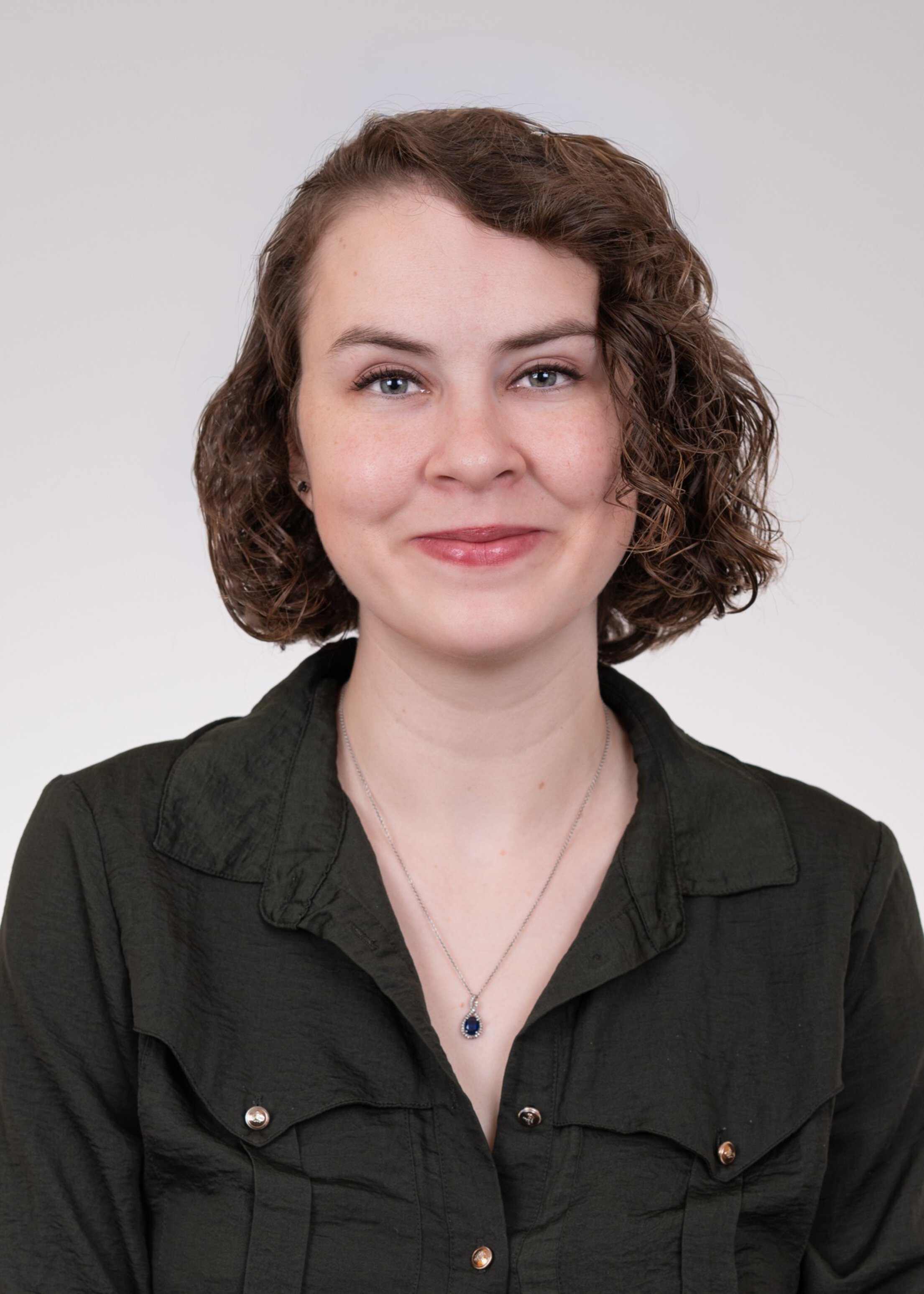
Sophia Barry Gordon
Sophia Barry Gordon is the science writing and communications program coordinator at the South Carolina Clinical & Translational Research (SCTR) Institute. She holds a Master of Science degree from New York University and is currently a Ph.D. candidate at the University of Birmingham (UK).