

There’s a moment in every research project when the to-do list shifts from puzzle to problem. Maybe it’s budget revisions that won’t stop multiplying. Maybe it’s protocol edits. Or maybe it’s that sinking feeling that you missed a regulation buried in fine print. Sound familiar?
Enter: the SUCCESS Center.
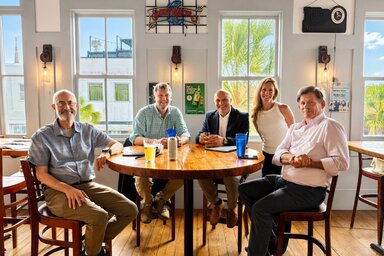
At MUSC, the SUCCESS Center is the resource you didn’t know you needed. A team of 9 subject matter experts, working professionally behind the scenes to keep things moving in the right direction. This group offers free services across several areas, including regulatory guidance and drug management planning, grant and budget support, recruitment strategy, REDCap expertise, and research navigation. Much like seasoned guides, their direction enables investigators to move through intricate research landscapes with purpose and confidence.
Through each interaction, they create a welcoming environment that turns complex research hurdles into manageable steps. When additional support is needed, they seamlessly tap into a broader network of experts across the institution.
What makes this team truly exceptional isn’t just their expertise; it’s their heart. Their work isn’t just about checking boxes; it’s about building relationships. The SUCCESS Center is built on a culture of care. Researchers often describe the team as not just knowledgeable, but also approachable, positive, and proactive.
Guiding the Way: Toni’s Role at the SUCCESS Center
Toni is the lead research navigator and a guiding force at the Center. With over 18 years of research experience and a calm, clear voice that can cut through chaos, Toni has a remarkable talent for turning moments of uncertainty into clarity and momentum, shifting from hesitation to confident action. She’s not just providing guidance — she’s steadying people. “I enjoy helping our research community figure out the path forward for their research projects,” Toni says, “and providing reassurance that there is support every step of the way.”
Research has a lot of moving parts… And it’s rarely a solo mission.
That’s why the SUCCESS Center is here: to equip you with the tools, guidance, and resources you need to succeed.
We’re excited to shine a light on the people who help research move forward, one project and one individual at a time. And we’re thrilled to kick things off with Toni. Scroll down to catch her in a brief Q&A and learn a bit about the person behind the position.
Helping our research community navigate the complexities of various research processes is something I really enjoy.
Q&A with Toni
Q: Tell us about your pathway to becoming a Research Navigator for the SUCCESS Center.
I started my research career as a regulatory specialist for Hollings Cancer Center, then moved into the Regulatory Knowledge and Support core of the SUCCESS Center. From there, I moved into the research navigator role.Q: Describe the role of a research navigator. What drew you to this position?
Research navigators work with investigators and study teams to identify resources that will assist with any aspect of planning or conducting a research study. I enjoy helping our research community figure out the path forward for their research projects and providing reassurance that there is support every step of the way.Q: Walk us through a typical day for you at the SUCCESS Center.
Research navigation involves a lot of communication with our research community and the community at large. Whether it’s connecting a study team with a research office, SCTR service provider, or institutional resource, or connecting a community member with a recruitment contact for a new study they learned about, the research navigation team is always investigating, connecting, and sharing information to help our requesters.Q: Give an example of how a research navigator can contribute to the success of a research project.
Meeting with the research navigation team helps investigators gain a realistic understanding of all the steps required during the life of their study. We cover which research support offices and resources may fit their study’s needs, and how to engage those providers. Knowing what comes next and who to contact helps empower our researchers and study teams.Q: Describe one resource that researchers underutilize. What do you wish researchers knew?
The MUSC Approval Plan for Research (MAP-R) is a tool used to determine the regulatory approvals required before a study can be opened to enrollment. Based on the study team’s responses to the tool's questions, a “map” is generated that outlines which institutional approvals are needed and the contact information for the associated research offices. We use MAP-R in nearly every research navigation consultation, as it is helpful for study teams to have an outline of their next steps.Q: What is the most meaningful part of your job?
Helping our research community navigate the complexities of various research processes is something I really enjoy. Having a researcher end a research navigation consultation with more direction and self-assurance than they started with is a great feeling.Q: What advice do you have for anyone who may be considering a research career?
Be teachable. You are not expected to know everything, but you are responsible for your openness to learning.Connect with Toni
Toni Mauney, BA, CCRP
Lead Research Navigator
Learn More about the SUCCESS Center

Danielle Hutchison
SCTR Communications Manager
Danielle Hutchison manages the Communications Program for the South Carolina Clinical and Translational Research Institute at MUSC.